
Till the last two days, it was not clear when will the talks would begin and what the outcome of the dialogue would be. Earlier, the Foreign Minister Ishaq Dar said: “Until yesterday we were very optimistic that things are moving in a positive direction,” before Israel launched an attack on Iran on Monday and Iran attacked Saudi Arabia. Pakistan, he said, “was still trying to manage things as much as possible”. Pakistan’s Field Marshall General Asim Munir was even more obvious and critical during a meeting with military officials on Tuesday, he said the attack on Saudi Arabia “spoils sincere efforts to resolve the conflict through peaceful means”.
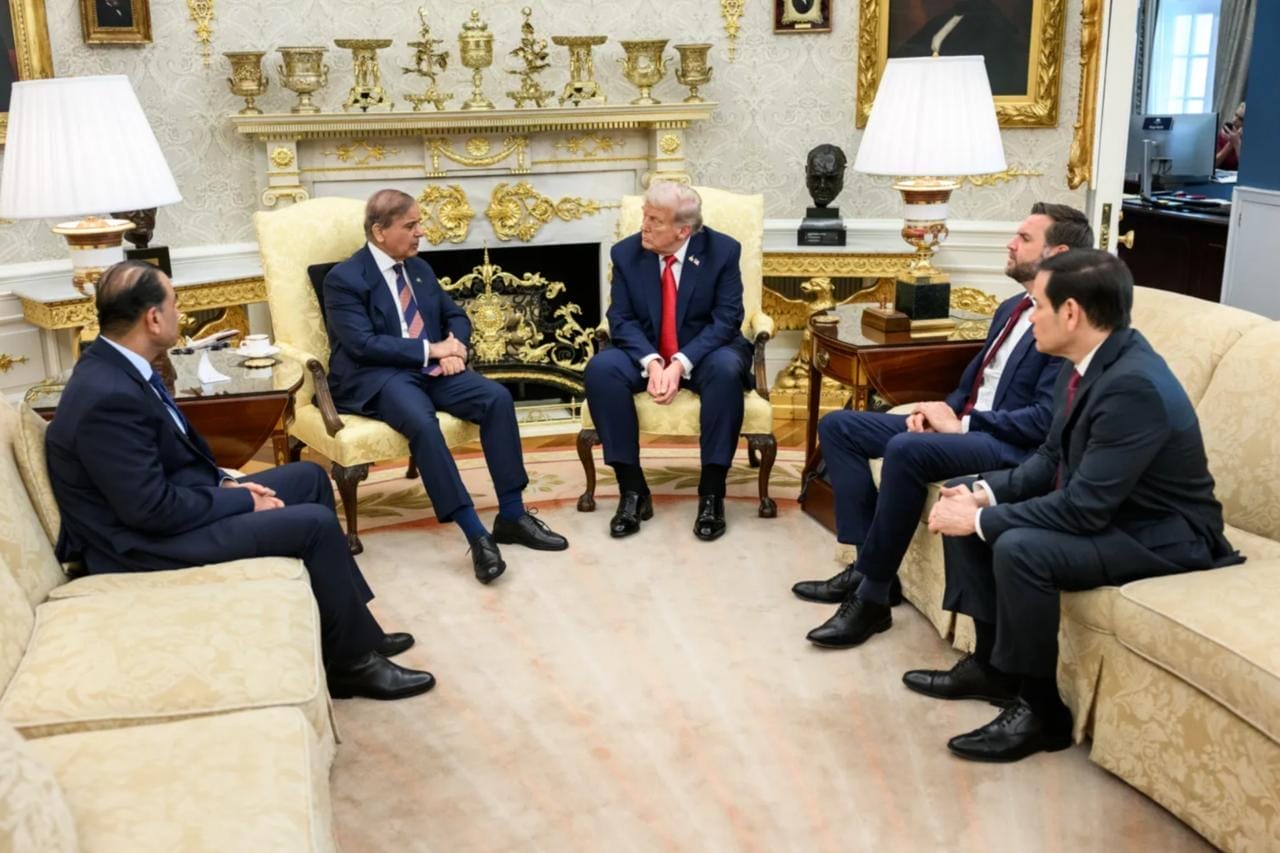
Ambassador to Pakistan, Reza Amiri Moghadam, posted on X that there had been “a step forward from a critical, sensitive stage”. Just before 05:00, Pakistan’s PM said” diplomatic efforts are progressing steadily, strongly and powerfully with the potential to lead to substantive results in the near future” and asked President Trump to extend the deadline for two weeks and for Iran to open the Strait of Hormuz for the same period. When the ceasefire had been agreed, he invited the two sides to meet in Islamabad on Friday, 10 April, to “further negotiate for a conclusive agreement”.
In the hours before the two-week ceasefire between Iran and the US was announced, there were some little signs of hope from Pakistan. Some sources on anonymity said to The News Republic, talks continued “on a slow pace”, with Pakistan operating as an intermediary between Iran and the US.
Pakistan has acted as a mediator between Iran and the US over the last few weeks, passing messages between the two countries. Pakistan has a significant relationship with Iran, a shared border and regularly refers to its “brotherly” relationship with the country.
While the US President Trump has referred to the head of Pakistan’s armed forces, Field Marshal Asim Munir, as his “favourite” Field Marshal and said that he knows Iran “better than most”.
Week Indian diplomacy keeps it on the sidelines from the leading politics
India, the largest democracy and leading populous country, being neglected by the superpower, is in the gossip as Pakistan positions itself as an intermediary in the US-Iran crisis. Is India being sidelined? Islamabad has moved with unusual liveliness, casting itself as an intermediary between Washington and Tehran. For India, Pakistan’s larger neighbour and arch-rival, the optics are awkward. The unease is sharpened by a more uneven phase in India’s ties with the US, even as Pakistan appears to be re-establishing channels with President Donald Trump. The Indian opposition Congress party has shown aggression, calling it an “embarrassment” for Indian diplomacy after reports of Pakistan being proposed as a mediator.
Others see little value in such visibility for its own sake, cautioning that mediation without leverage or invitation can backfire. A community from the masses believes that mediation without leverage or invitation can backfire; it’s in the larger interest to be served by quiet diplomacy and strategic distance.
The Hindu extremists with little temper and non-political senses during all-party meeting last week, Indian External Affairs Minister S Jaishankar reportedly dismissed Pakistan’s role as “brokerage”, noting it has played such a part since 1981, including in US-Taliban talks.”We don’t run around asking countries what kind of brokerage we can do,” he is reported to have said. But analysts on a large scale expressed that the intensity of the debate in Delhi says as much about perception as policy.
Grand Celebrations of the negotiations drag the masses on roads
The celebrations rang across Iran following the announcement, and many world leaders welcomed the development. The weeks-long fighting had
mediation from Pakistan. Negotiations aimed at reaching a long-lasting agreement are expected to begin in Islamabad on Friday. People across Tehran, from young men and women huddling in vibrant cafes downtown to families sitting in parks, were debating whether the ceasefire would hold and what the future could have in store for them. entangled nearly the entire Middle East.
Traffic has returned to the streets of the Iranian capital during daylight after the first day of a two-week ceasefire agreed between Iran and the US with
